.png)
Mastering Custom Embroidery Digitizing

Embroidery is an art form that combines creativity with technology. To bring your designs to life on fabric, you need more than just a great idea—you need precision embroidery digitizing. This process transforms your artwork into a digital file that embroidery machines can read and stitch perfectly. Whether you’re running an embroidery business, building a brand, or creating custom pieces, mastering this skill can elevate your work and save you time and money.
Let’s dive into the essentials of precision embroidery digitizing, explore practical tips, and uncover how you can achieve flawless results every time.
What Is Precision Embroidery Digitizing?
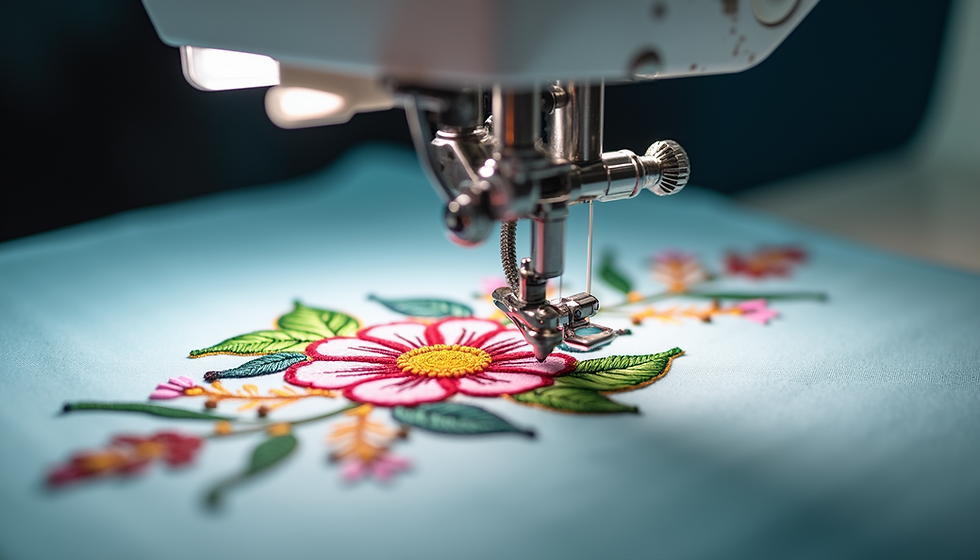
Precision embroidery digitizing is the process of converting artwork into a digital embroidery file. This file tells the embroidery machine exactly where to stitch, what type of stitch to use, and how to layer the threads. It’s not just about copying an image; it’s about interpreting the design to ensure the final embroidery looks sharp, balanced, and durable.
Think of it like translating a painting into a language that a machine understands. Every detail matters—from stitch direction to density and underlay. When done right, your embroidery will have clean edges, smooth curves, and vibrant textures.
Why Precision Matters
Imagine stitching a logo on a polo shirt. If the digitizing is off, the logo might look distorted, the threads could bunch up, or the fabric might pucker. Precision embroidery digitizing prevents these issues by:
Ensuring the right stitch types for different design elements
Balancing stitch density to avoid fabric damage
Optimising stitch paths to reduce production time
Enhancing the design’s durability and appearance
By focusing on precision, you get professional-quality embroidery that impresses clients and customers alike.

How to Achieve Precision Embroidery Digitizing
Achieving precision in embroidery digitizing requires a mix of technical knowledge, software skills, and attention to detail. Here’s a step-by-step guide to help you master the process:
1. Start with High-Quality Artwork
The quality of your original design directly impacts the digitising outcome. Use vector files (like AI or EPS) whenever possible because they scale without losing detail. If you only have raster images (JPEG, PNG), make sure they are high resolution and clear.
2. Choose the Right Software
Professional digitising software like Wilcom, Hatch, or Brother PE-Design offers tools to control stitch types, directions, and densities. These programs allow you to preview the embroidery and make adjustments before stitching.
3. Understand Stitch Types
Different parts of your design require different stitches:
Satin stitches for smooth, narrow areas like letters or borders
Fill stitches for larger areas needing texture and coverage
Running stitches for outlines or fine details
Choosing the right stitch type ensures your design looks crisp and holds up over time.
4. Set Proper Stitch Density
Too many stitches can cause fabric puckering; too few can make the design look sparse. Adjust stitch density based on fabric type and design size. For example, thicker fabrics like denim can handle denser stitching, while delicate fabrics like silk need lighter density.
5. Use Underlay Stitches
Underlay stitches are the foundation beneath the top stitches. They stabilise the fabric and improve the design’s durability. Common underlay types include edge run, zigzag, and center run. Using the right underlay prevents thread breaks and fabric distortion.
6. Plan Stitch Direction
Stitch direction affects how light reflects off the embroidery, influencing its texture and depth. Varying stitch angles can add dimension and make your design pop.
7. Test and Refine
Always run a test stitch on the actual fabric before final production. This helps you spot issues like thread breaks, puckering, or colour mismatches. Make adjustments in your digitising file based on the test results.
The Role of Custom Embroidery Digitizing in Your Workflow
When you want to save time and ensure top-notch quality, partnering with experts in custom embroidery digitizing can be a game-changer. They bring specialised skills and experience to the table, handling complex designs and tricky fabrics with ease.
Outsourcing digitising lets you focus on other parts of your business, like marketing and customer service. Plus, professional digitizers use advanced software and techniques to deliver files that stitch out perfectly the first time.
Here’s how custom embroidery digitizing services can benefit you:
Faster turnaround times for your projects
Consistent quality across different designs and fabrics
Access to expert advice on design optimisation
Reduced material waste due to fewer test runs
If you want to streamline your embroidery production and boost your brand’s reputation, investing in professional digitizing is a smart move.

Tips for Designing with Embroidery in Mind
Creating designs specifically for embroidery requires a different mindset than for print or digital media. Here are some tips to keep your designs embroidery-friendly:
Simplify your design: Avoid tiny details that won’t stitch well. Keep elements bold and clear.
Limit colour changes: Each colour change adds time and complexity. Use a manageable palette.
Use embroidery-friendly fonts: Choose fonts with thick strokes and avoid script fonts with thin lines.
Consider fabric type: Some fabrics stretch or have texture that affects stitching. Adjust your design accordingly.
Add a border or outline: This helps define the edges and prevents fraying.
By designing with embroidery in mind, you reduce the need for extensive digitising adjustments and get better results faster.
Staying Ahead with Technology and Trends
Embroidery digitizing is evolving with new software features and machine capabilities. Staying updated helps you maintain precision and creativity. Here are some trends and tech tips to watch:
3D Puff embroidery: Adds volume and texture for standout designs. Requires special digitising techniques.
Automatic digitizing tools: AI-powered software can speed up basic digitising but still needs human refinement for precision.
Multi-needle machines: Allow faster stitching with multiple thread colours without manual changes.
Sustainability focus: Using eco-friendly threads and optimising stitch paths to reduce waste.
Embracing these innovations can give you a competitive edge and open new creative possibilities.
Your Next Steps to Master Precision Embroidery Digitizing
Mastering precision embroidery digitizing is a journey that combines learning, practice, and the right tools. Here’s how you can get started today:
Invest in quality digitising software and explore tutorials to build your skills.
Practice with simple designs and gradually tackle more complex projects.
Test your digitised files on different fabrics to understand how materials affect stitching.
Consider partnering with professional digitizers for challenging designs or large orders.
Stay curious and keep up with industry trends to refine your craft.
By taking these steps, you’ll create embroidery that not only looks fantastic but also stands the test of time.
Embroidery is more than stitching - it’s a craft that blends art and technology. With precision embroidery digitizing, you unlock the full potential of your designs and deliver exceptional quality every time. Whether you’re digitising yourself or working with experts, the key is attention to detail and a passion for excellence. Start mastering this skill today and watch your embroidery projects flourish.

Comments